
What major historical events do you remember?
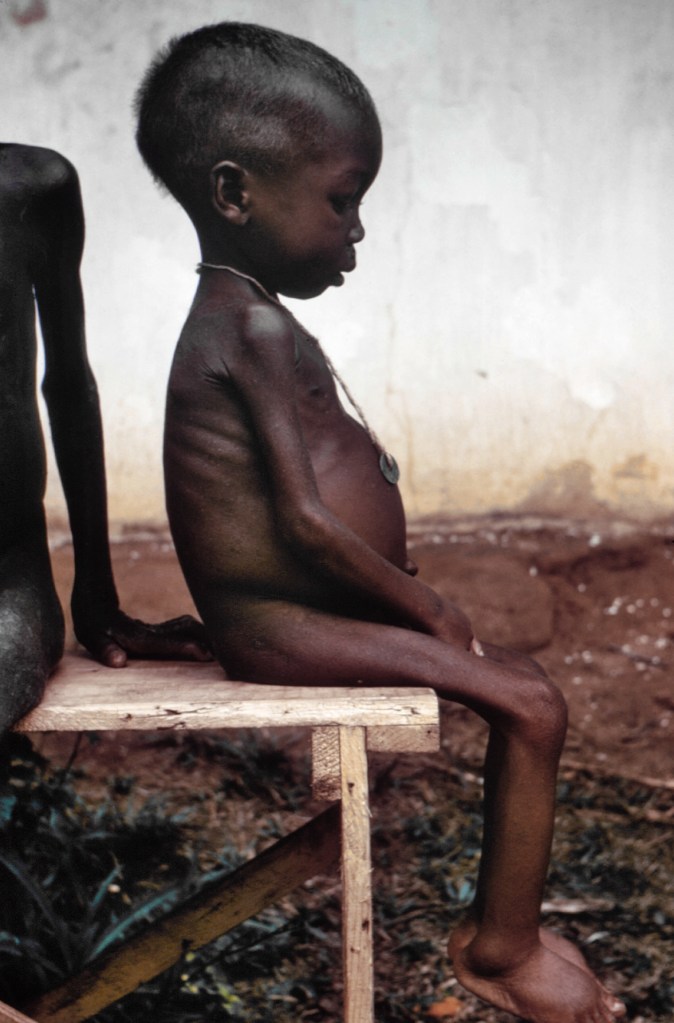
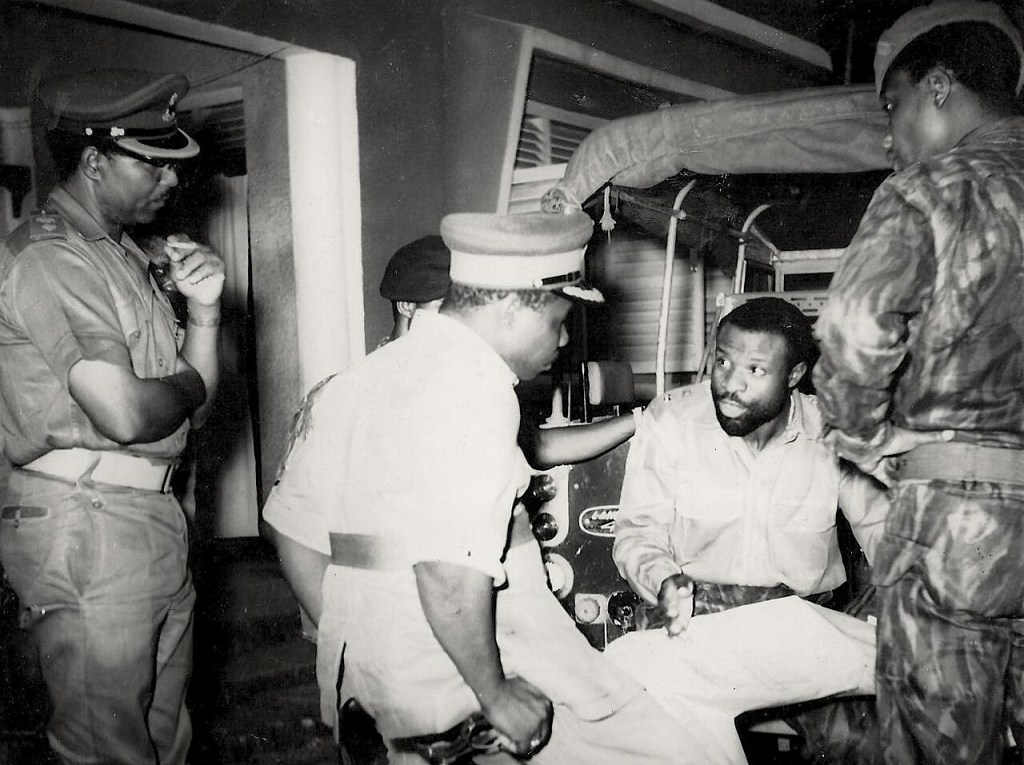
The Nigerian Civil War (6 July 1967 – 15 January 1970), also known as the Nigerian–Biafran War or the Biafran War, was a civil war fought between Nigeria and the Republic of Biafra, a secessionist state that had declared its independence from Nigeria in 1967. Nigeria was led by General Yakubu Gowon, while Biafra was led by Lieutenant Colonel Chukwuemeka “Emeka” Odumegwu Ojukwu.[16] Biafra represented the nationalist aspirations of the Igbo ethnic group, whose leadership felt they could no longer coexist with the federal government dominated by the interests of the Muslim Hausa-Fulanis of Northern Nigeria.[17] The conflict resulted from political, economic, ethnic, cultural, and religious tensions that preceded the United Kingdom’s formal decolonization of Nigeria from 1960 to 1963. Immediate causes of the war in 1966 included a military coup, a counter-coup, and anti-Igbo pogroms in Northern Nigeria
It is estimated that between 500,000 and 2,000,000 people died, mostly of starvation. When this conflict became visible overseas due to the images shown by the media, the international public opinion was shaken and the great need of humanitarian assistance was exposed. This situation was one of the great incentives for the creation of Médecins Sans Frontières (Doctors Without Borders [MSF]) in December 1971, almost two years after the end of the civil war, by a group of health professionals who did not agree with the way in which actions were taken on site.